
Scunthorpe United's 1970s Revival: A Journey Through Adversity
The 1970s were a pivotal decade for Scunthorpe United, encapsulating a period of both struggle and resurgence that would lay the groundwork for the club’s future successes. Following the heartache of relegation to the Fourth Division in 1970, The Iron faced a challenging landscape, but through sheer determination and strategic changes, they began to carve out a new identity.
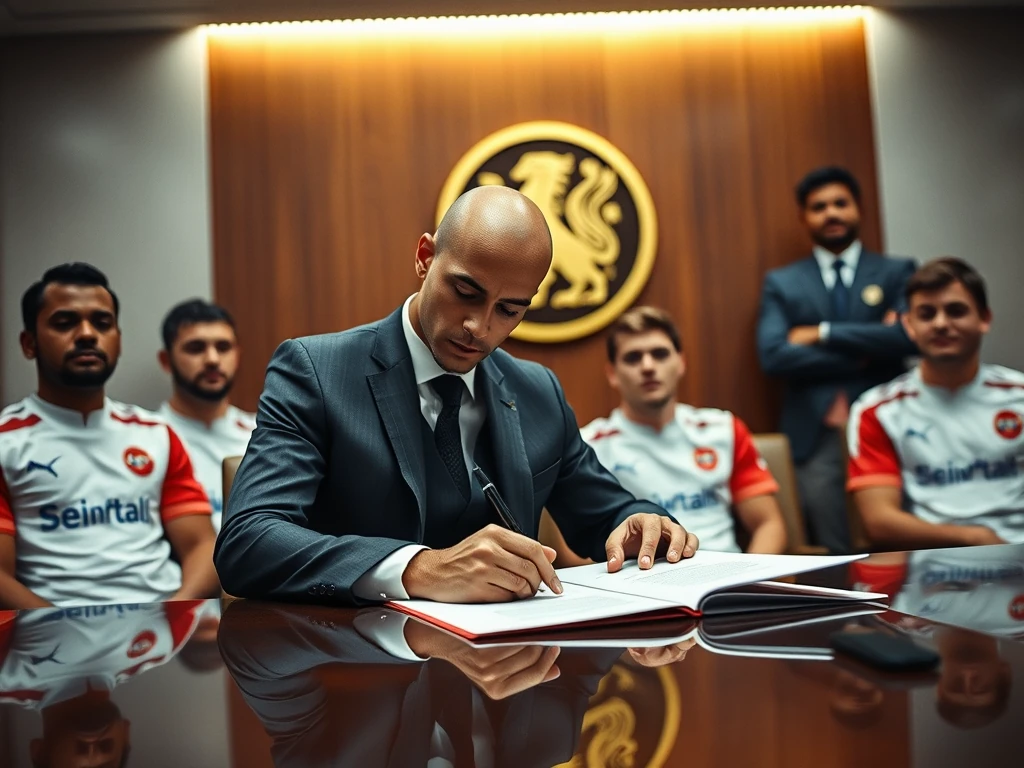
In the early part of the decade, Scunthorpe's performances were inconsistent, with a series of managerial changes adding to the uncertainty. However, it was during this tumultuous period that the club began to establish a sense of resilience. The arrival of manager Brian Clough in 1973 marked a turning point. Clough, who would later go on to achieve legendary status at Nottingham Forest, instilled a new philosophy centered on attacking football and player development. His tenure, although brief, was instrumental in revitalizing the squad and fostering a winning mentality.
One of the most memorable moments of this era came in 1975 when Scunthorpe secured promotion to the Third Division after finishing second in the league. This achievement not only provided a much-needed boost to the club's morale but also reinvigorated the fanbase, who had endured years of fluctuating fortunes. The Iron's success was built on a solid defensive unit combined with an exciting forward line, showcasing the blend of youth and experience that Clough had carefully cultivated.
As the decade progressed, Scunthorpe United continued to build on their newfound momentum. The late 1970s saw players like Alan Skirton and Tony Ford emerge as key figures in the squad, contributing significantly to the team’s success. Their combination of skill and tenacity on the pitch not only won games but also captured the hearts of the supporters, who flocked to the Attis Arena in greater numbers than ever before.
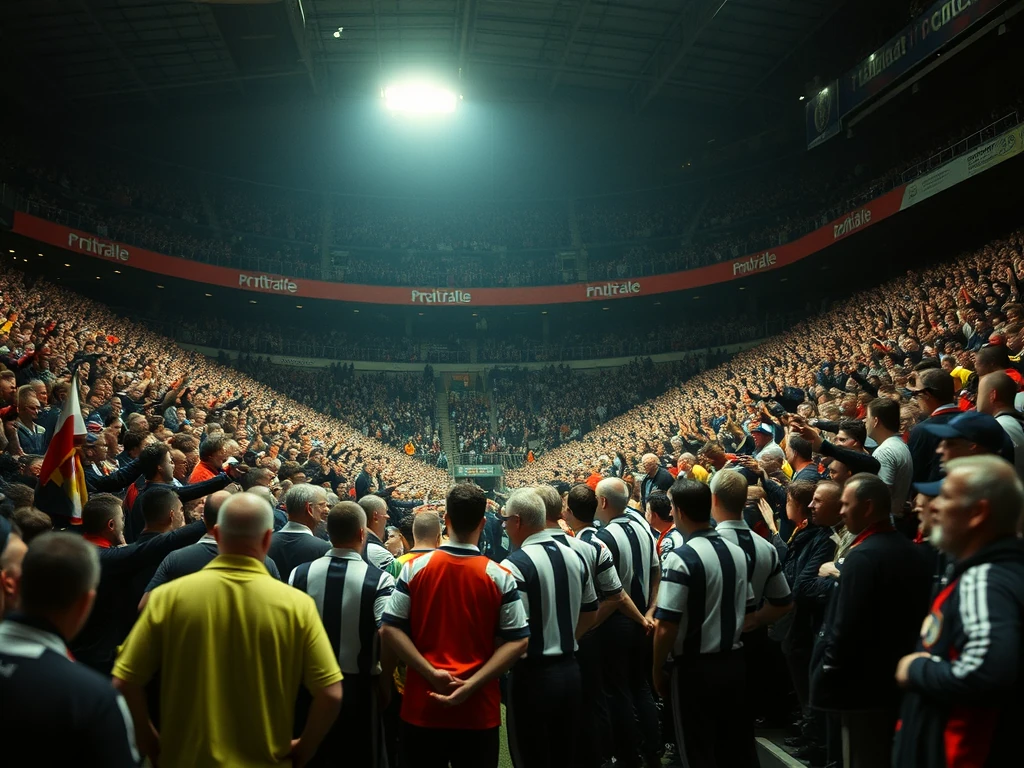
The club's journey was not without its setbacks, as the Iron faced fierce competition in the Third Division. However, it was during these challenging matches that the true spirit of Scunthorpe emerged. The gritty performances against local rivals and teams from across the country turned the Attis Arena into a fortress, where the fans played an integral role in creating an intimidating atmosphere for visiting teams.
By the end of the 1970s, Scunthorpe United had firmly established themselves as a competitive side within the Football League. The club's revival was a testament to the hard work and dedication of everyone involved-players, staff, and fans alike. The decade laid the foundation for future successes and ensured that Scunthorpe would not be easily forgotten in the annals of English football.
Reflecting on this transformative period, it is clear that the 1970s were not just about promotion and victories; they represented a collective effort to rise from adversity. As The Iron continues to navigate the challenges of modern football, the lessons learned from this pivotal decade remain relevant, reminding us all of the resilience and passion that define Scunthorpe United.