As the UK government prepares to announce the full nationalisation of British Steel, a sense of uncertainty lingers over Scunthorpe and its footballing community. This pivotal moment not only marks a significant shift in industrial policy but also has far-reaching implications for local businesses and the economy. The Iron, currently competing in the England National League, could see indirect effects from this nationalisation, impacting everything from matchday attendance to community support for the club.
The Steel Industry's Rollercoaster
British Steel has been a cornerstone of Scunthorpe's economy for decades, providing thousands of jobs and supporting local businesses. However, the company's recent struggles have raised serious concerns about its sustainability. With the government's intervention last year saving the firm from collapse, the decision for full nationalisation in the upcoming King's Speech signifies a commitment to safeguarding the steel industry.
The decision to nationalise British Steel is driven by the need to stabilize the industry amid global challenges, including rising energy costs and international competition. The government aims to protect jobs and maintain production levels, which are essential for both local and national interests.
Key points regarding British Steel's situation: - The company has been under government control since last year. - Nationalisation aims to protect jobs and secure the steel supply chain. - The UK steel industry faces challenges from high energy costs and global competition.
What it Means for Scunthorpe
For residents of Scunthorpe, the nationalisation of British Steel could bring both opportunities and challenges. On the one hand, it could stabilize jobs in the region and provide a sense of security for workers at The Iron. On the other hand, any prolonged uncertainty could dampen local investment and consumer confidence.
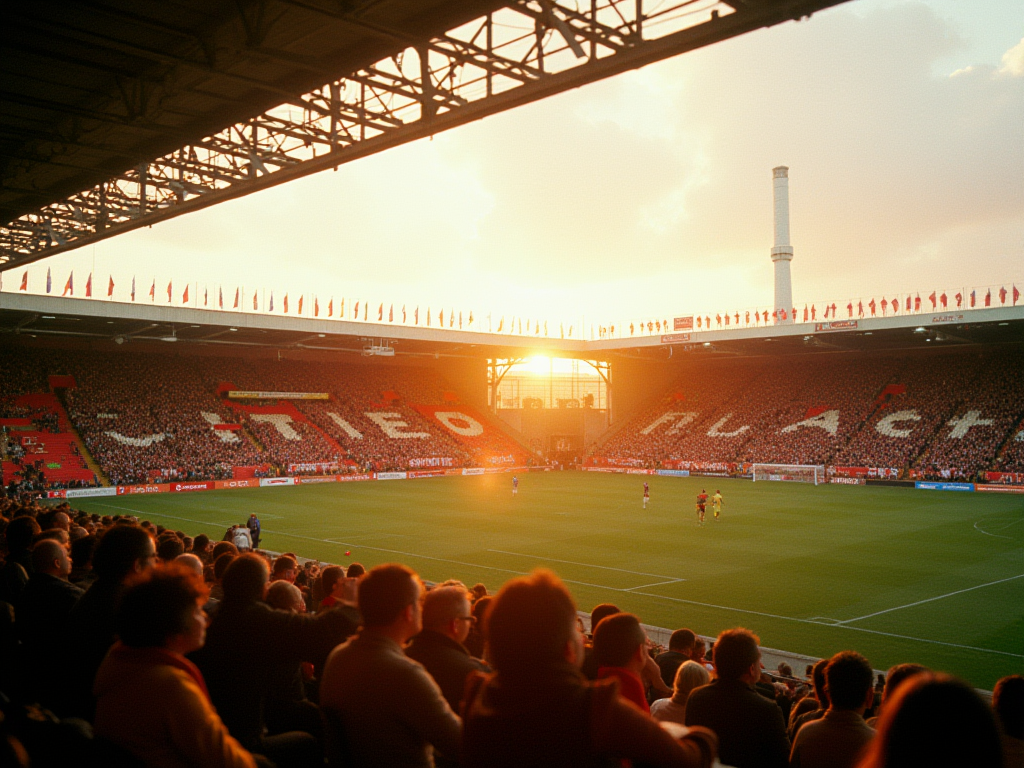
The club, which has seen its share of ups and downs in recent years, might feel the impact of these developments. A stable steel industry could lead to increased attendance at Glanford Park, as local residents feel more secure in their employment and financial situations. This could translate to higher matchday revenues, which are crucial for the club's financial health.
Moreover, the community has a rich history intertwined with the steelworks, and the fate of British Steel directly affects the identity and spirit of Scunthorpe. A thriving steel industry could bolster local pride and enhance community engagement, encouraging fans to rally behind the club as they strive to climb the ladder in the England National League.
Economic Ripple Effects
The implications of British Steel's nationalisation extend beyond immediate job security; the local economy stands to benefit from a revitalised industrial sector. Industries that depend on steel for manufacturing will also feel the positive effects of a stable British Steel.
- Increased investment in infrastructure projects could lead to more job creation.
- Local businesses that rely on steel production could see increased orders and revenue.
- Enhanced community morale could lead to higher attendance rates at local events, including football matches.
However, the nationalisation process is not without its own challenges. Questions remain about the long-term strategy for British Steel and how government management will adapt to rapidly changing market conditions. The community will be watching closely, hoping for a transparent approach that prioritises the interests of Scunthorpe and its citizens.
The Wider National Context
The nationalisation of British Steel is part of a broader trend in the UK, where the government is increasingly taking control of industries it deems vital for national interest. This move reflects a significant shift in economic policy, as the government seeks to balance free-market principles with the need for strategic intervention in key sectors.
As the government grapples with rising energy costs and supply chain disruptions, the future of British Steel will serve as a litmus test for its industrial strategy. The outcome of this nationalisation could set a precedent for other struggling industries within the UK, including coal and manufacturing sectors.
The implications of this policy shift will resonate throughout the country, especially in regions like Scunthorpe, where industrial employment is a key driver of the local economy. The Iron's fanbase is likely to be directly impacted by these changes, as local pride and economic stability intertwine.
Fan Reaction and Outlook
As news of the impending nationalisation spreads, fans of Scunthorpe United are expressing a mix of hope and concern. Many local supporters are optimistic that a stabilised steel industry will lead to better financial prospects for the club, allowing them to invest in player development and facilities.
However, there are also apprehensions about the potential for bureaucratic inefficiencies and the impact of government intervention on operational effectiveness. Fans are keen to see a plan that not only preserves jobs but also enhances the community's footballing culture.
The club has seen fluctuating performance in the England National League, and a robust local economy could play a crucial role in attracting talent and retaining key players. Supporters believe that with the right backing, The Iron can return to its former glory.
What's Next
As the King’s Speech approaches, Scunthorpe will be watching closely for updates on British Steel’s future. The community is poised at a crossroads, with the potential for both economic revitalisation and uncertainty.
For The Iron, navigating this landscape will require strategic planning and community engagement. The club's management will need to harness any economic uplift from the steelworks to enhance their operations, ensuring that Scunthorpe United remains a competitive force in the England National League. With the right focus, both the steel industry and local football can forge a stronger future together.